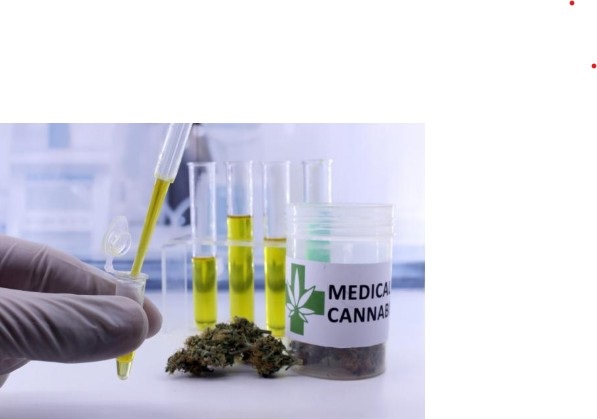

Medical Marijuana in the Workplace: What Employers Need to Know
Pennsylvania is home to more than 153,000 certified medical marijuana patients, which is nearly double the number of patients since last year. In addition, the list of qualifying serious health conditions continues to expand, most recently with the addition of anxiety. As the number of medical marijuana patients rises and the list of medical conditions expands, now is the time for an employer to proactively consider how to address medical marijuana use by employees.
Although Pennsylvania passed its Medical Marijuana Act (the "PMMA) in 2016, Pennsylvania courts are just now beginning to address various legal issues. Two recent Pennsylvania cases, Palmiter v. Commonwealth Health Systems, Inc, et al. (Lackawanna Cnty. Nov. 22, 2019) and Laidacker v. Berwick Offray, LLC (Columbia Cnty. Jan. 2, 2020), recognize an employee's private cause of action under the PMMA for employment discrimination on the basis of medical marijuana use. Each case involved a negative employment action related to a failed drug test; one by a prospective employee and one by a current employee.
Although both acknowledged a private cause of action for discrimination, consistent with the trend in other states, the Laidacker court delved further. The Laidacker court stated that the specific employment prohibitions in the PMMA were exclusive, and otherwise an employee could have a discrimination claim. In addition, the court held open the possibility of punitive damages for violations of the PMMA's anti- discrimination provisions.
Given the expansion related to both the use of medical marijuana and legal guidance on the PMMA, it is a matter of when, not if, a company will face an issue with an employee certified to use medical marijuana. Employers should consider taking the following proactive steps to address medical marijuana use
- Review and understand the PMMA to understand an employer's obligations, including the provision that states employers are not limited in their "ability to discipline an employee for being under the influence of medical marijuana in the workplace or for working while under the influence of medical marijuana when the employee's conduct falls below the standard of care normally accepted for that position." Amend current job descriptions to reflect any job functions that are carved out from discrimination under the PMMA and ensure that each job description reflects the appropriate standard of performance for the particular position.
- Review applicable Federal law (which is not pre-empted by the PMMA), including the Federal Drug Free Workplace Act, and regulations (e.g. USDOT regulations) that may govern your business.
- Update your drug testing policy to address testing procedures for applicants and employees and how the company treats a positive test result for medical marijuana.
- Update your substance abuse policy to address medical marijuana use on company grounds and/or during work hours and to address being under the influence of medical marijuana while on the job.
- Understand the impact of medical marijuana use on workers' compensation claims and insurance. Update internal employee fringe benefit plans, like an EAP, to address medical marijuana.
- Avoid asking applicants during the interview process about medical marijuana use.
- Ensure that HR understands the interaction between the ADA, PHRA, and the PMMA, including an employee's rights and the employer's potential responsibilities under all.
This area of the law is constantly developing, so continued attention to legal changes and revision of policies to address them is recommended. For more information, contact Jamie Schumacher at jschumacher@mijb.com or Brian Cressman at bcressman@mjb.com or call 814/870-7600.
Article featured in the Manufacturer and Business Associations' May 2020 Business Magazine.
Legal Advice Disclaimer:The information presented on this website serves solely as general guidance and should not be construed as legal advice by MacDonald, Illig, Jones & Britton LLP as a replacement for seeking personalized legal counsel from a qualified attorney. MacDonald, Illig, Jones & Britton LLP does not assume liability for the accuracy or reliability of content hosted on any third-party websites accessible through links provided on this site.